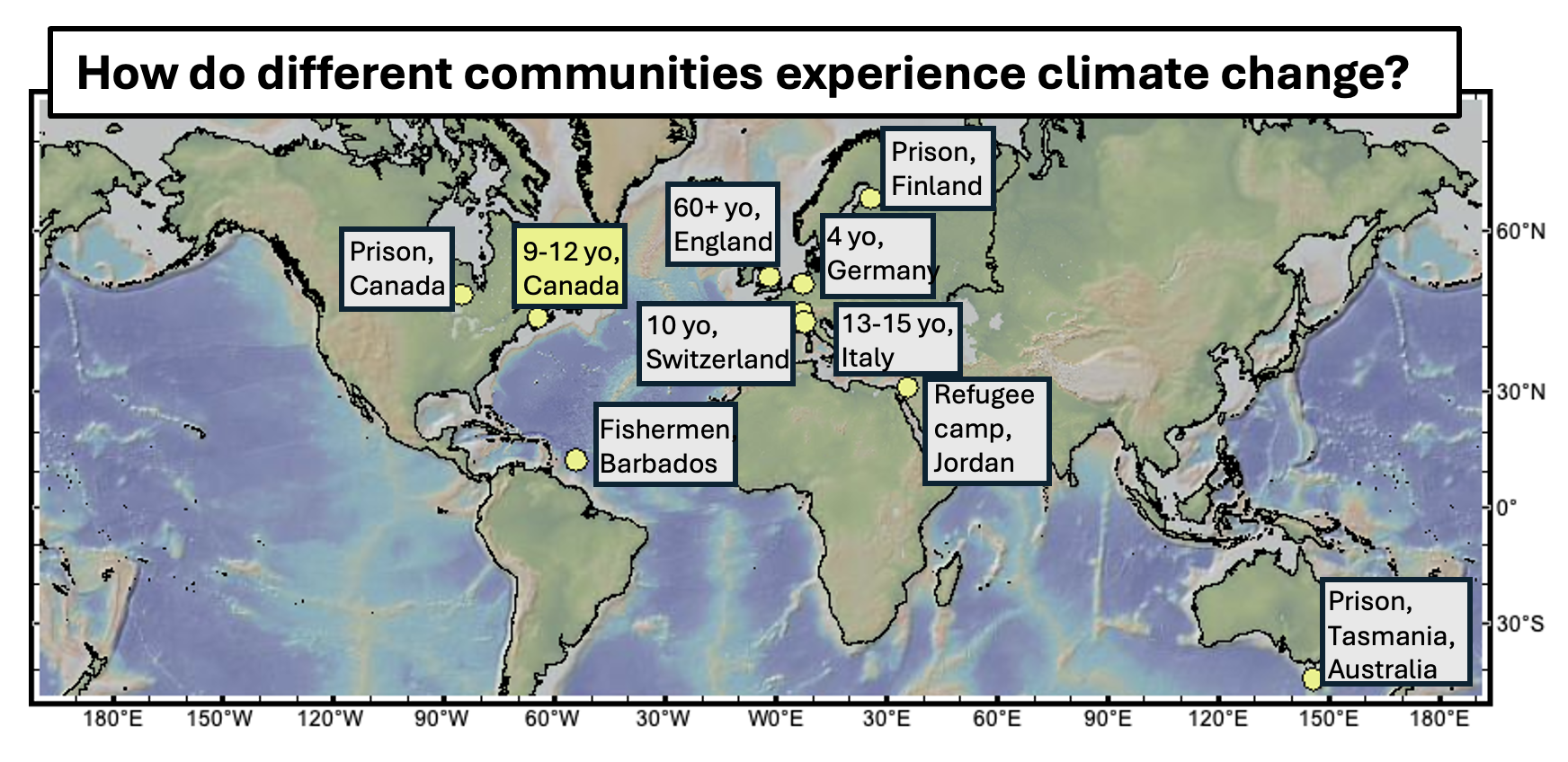
In 2026, Think Like A Scientist ran ten different outreach program around the world, focussing on the simple question of How do different communities experience climate change? One session was run at the Atlantic Wildlife Initiative near Sackville, New Brunswick, Canada, to a group of children aged between 9 and 12 years olds on a camp during the summer break from school.
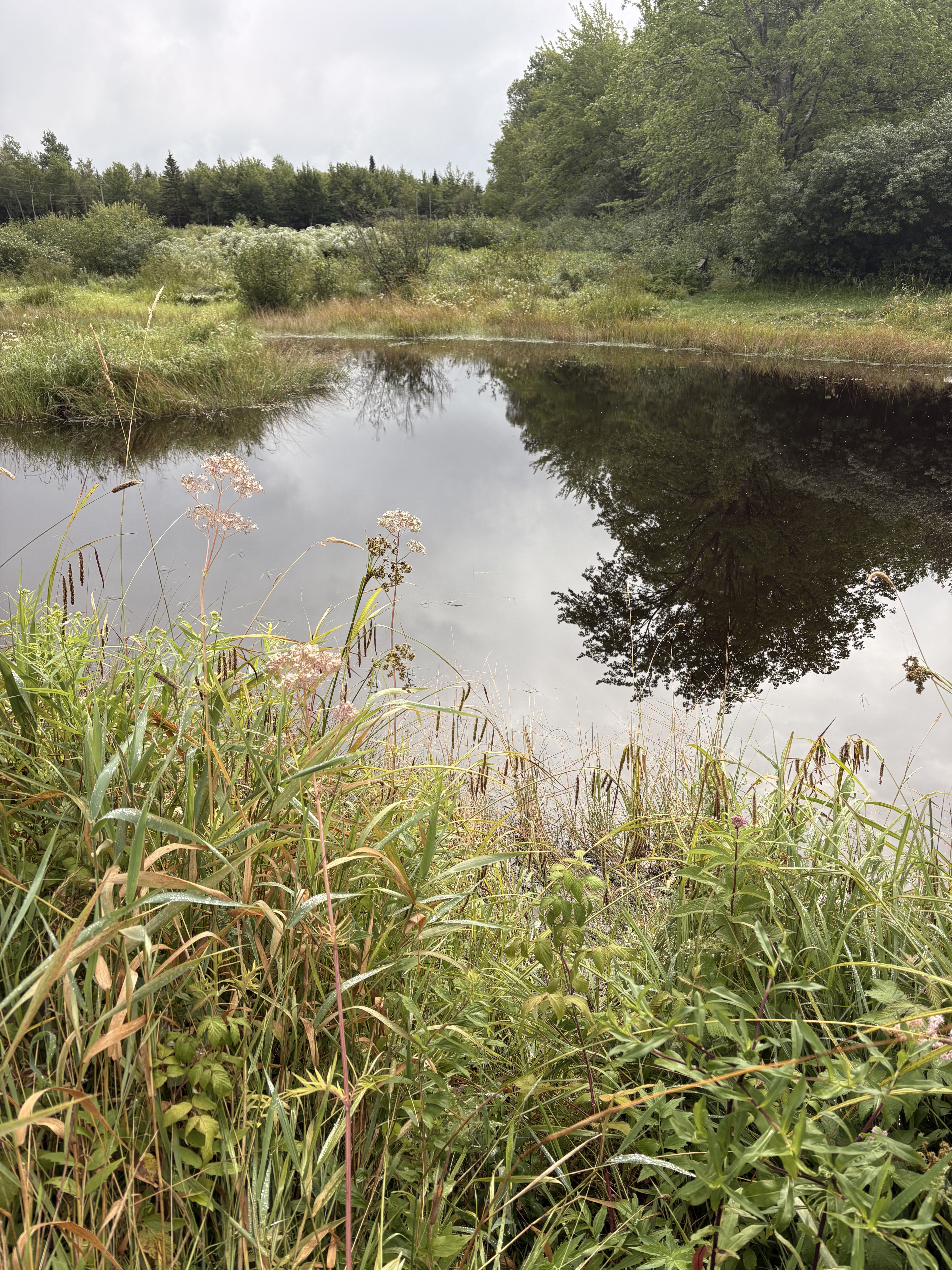
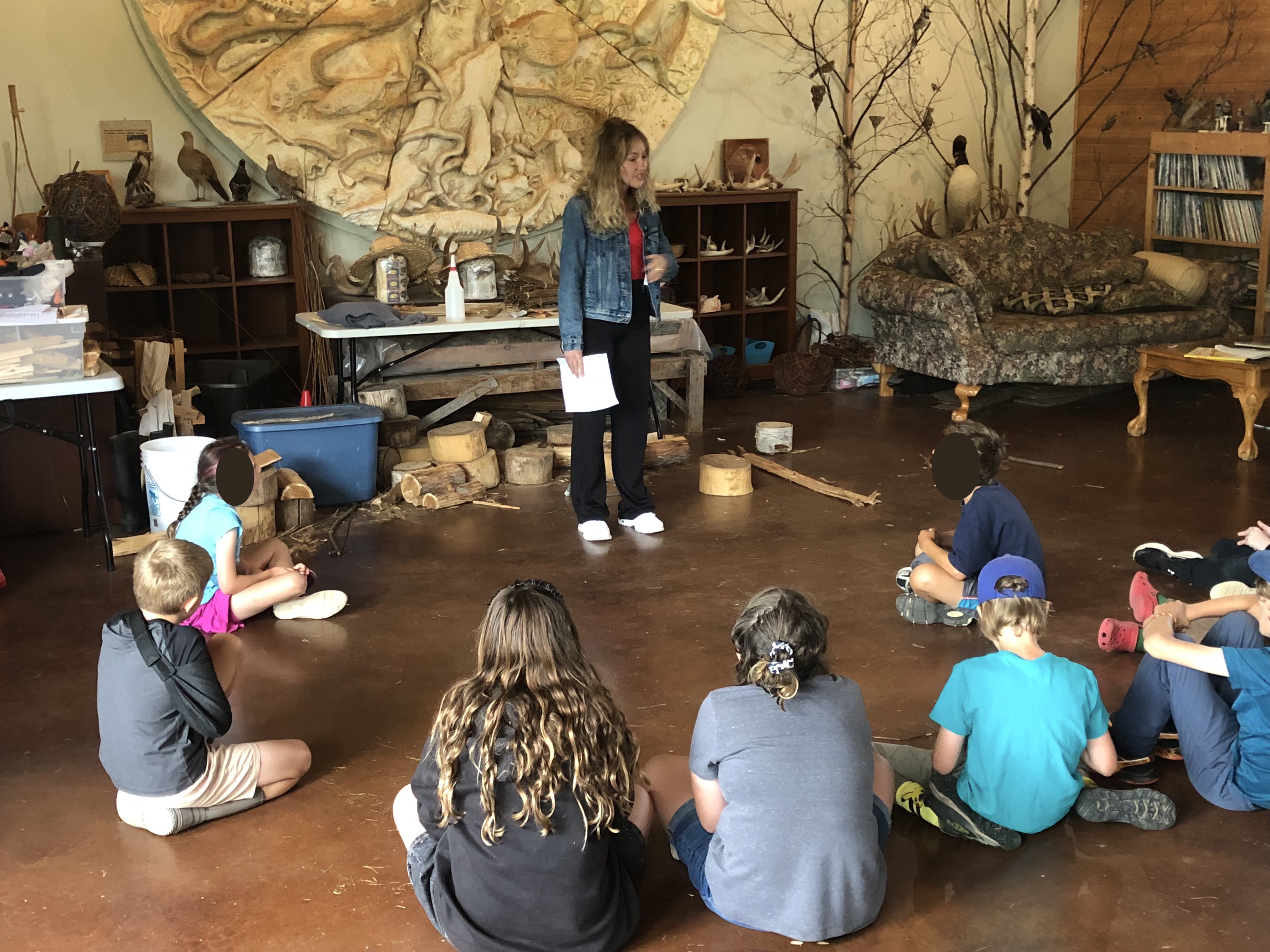
The session was mainly conducted outdoors where the children could learn by being in the surroundings they were learning about. The educator for our New Brunswick session was by longtime Think Like A Scientist collaborator, Kiona Osowski.
About Kiona:
My name is Kiona Osowski, and I am a recent graduate of the University of Toronto, where I studied Ethics, Society and Law and Sociology. Throughout my academic and professional journey, I have been committed to advocacy and to working alongside marginalized and underrepresented communities to create more equitable spaces and opportunities. My work with Phil Heron and the Think Like a Scientist project has been a particularly meaningful part of this commitment.
Over several years, I have had the privilege of contributing to the development of the course, including helping write and develop the unit on Climate Change. This past summer, I had the privilege of actually teaching the course myself as an instructor.
About the project at AWI:
I chose to deliver the program at the Atlantic Wildlife Institute (AWI), a charity providing wildlife rehabilitation and environmental education throughout New Brunswick and Atlantic Canada. One of the strengths of AWI is its commitment to outdoor education: children are given opportunities to explore their surroundings, engage directly with the natural environment, and experience learning beyond the traditional classroom. Greg Osowski, the Institute’s outdoor educator, similarly works to create opportunities for young people to learn through exploration, curiosity, and hands-on engagement with the world around them
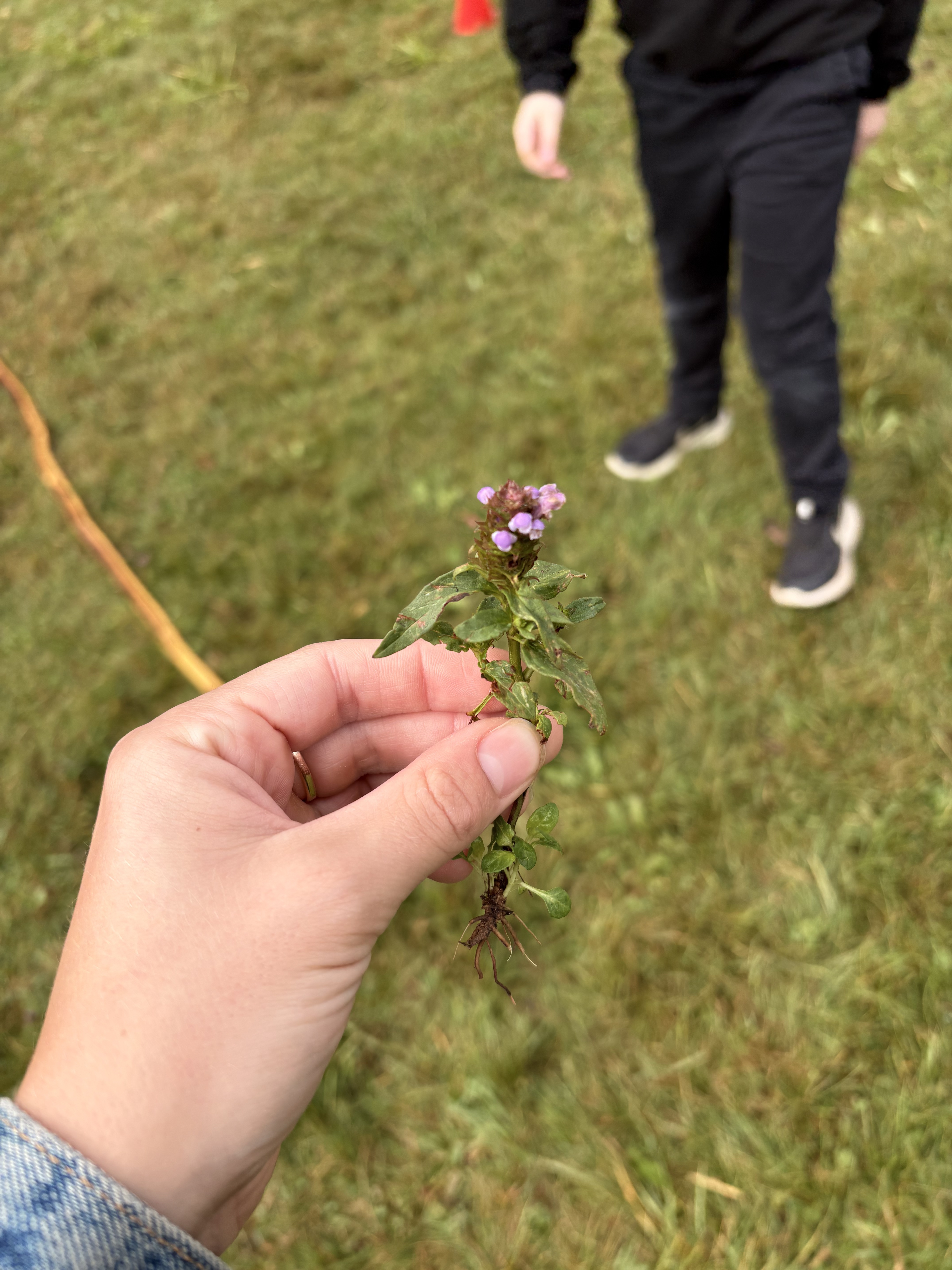
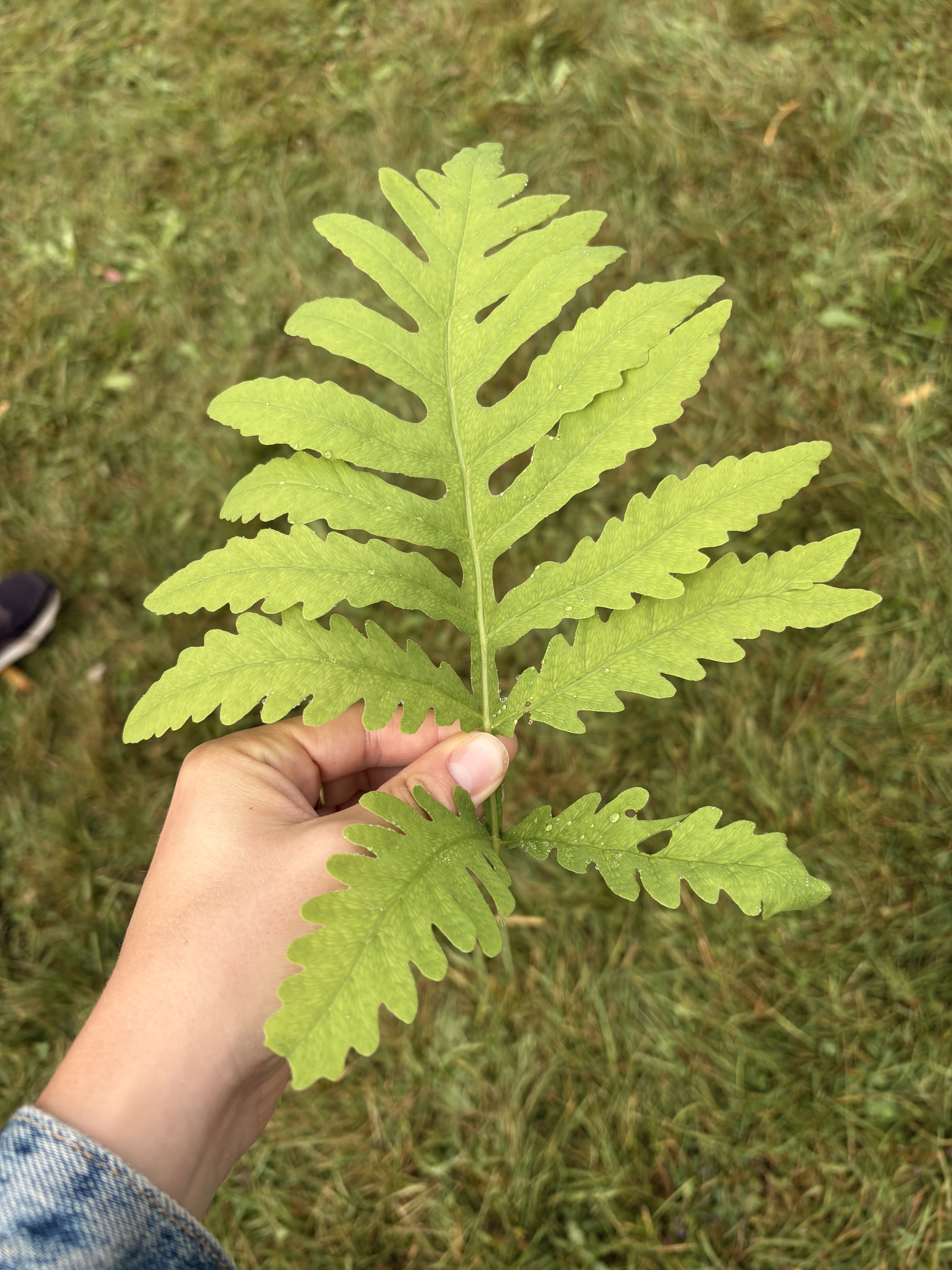
Inspired by this approach, I requested to teach Think Like a Scientist at AWI so that I could teach climate change not simply as an abstract scientific issue, but within the environment that is directly affected by it. Rather than relying on a traditional lecture based format, I incorporated interactive activities, games, discussion, and outdoor exploration into the course. I worked with youth between the ages of nine and twelve, encouraging them to engage with climate change not only as a scientific issue, but as something connected to their communities, experiences, and values.
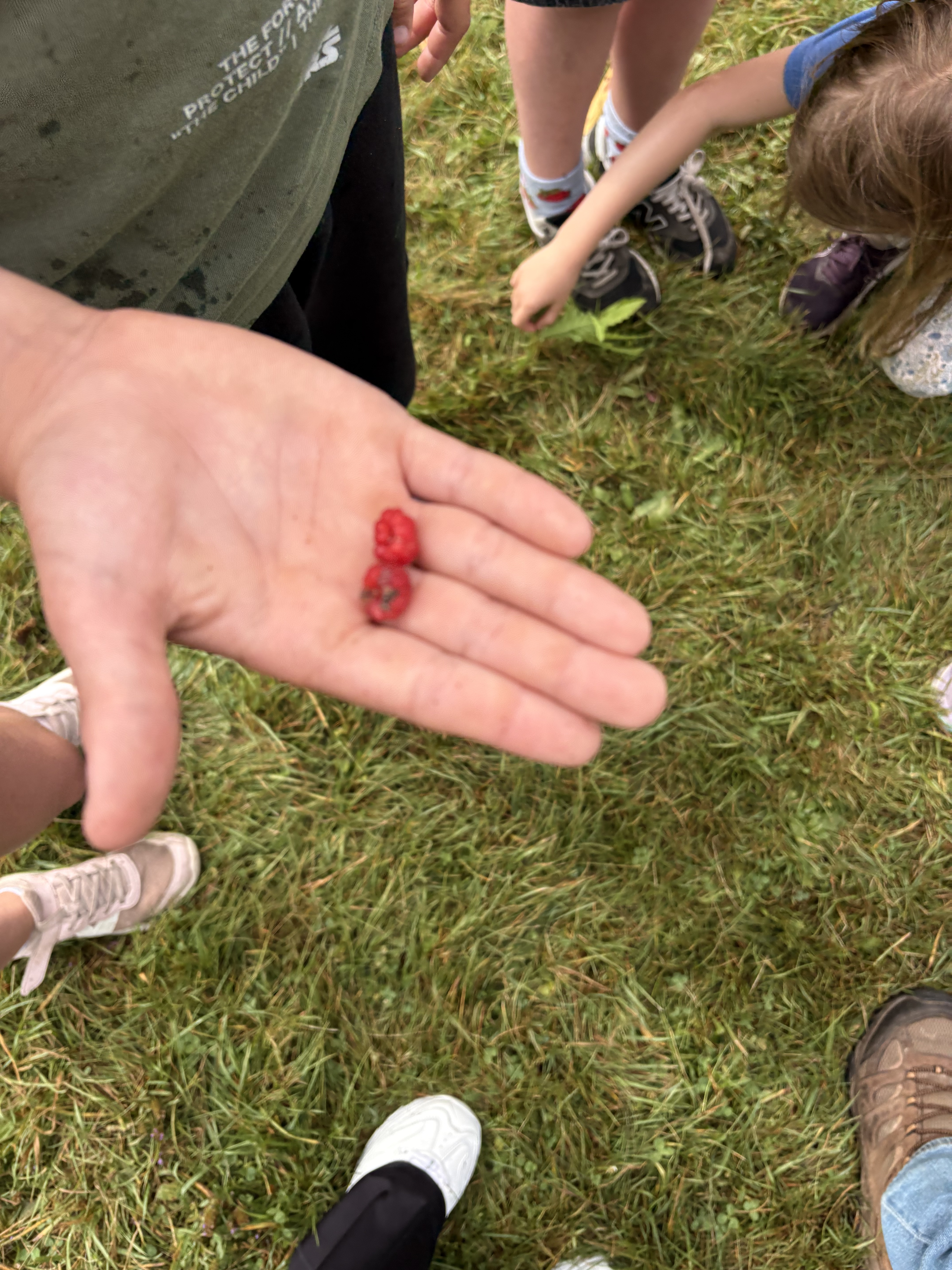
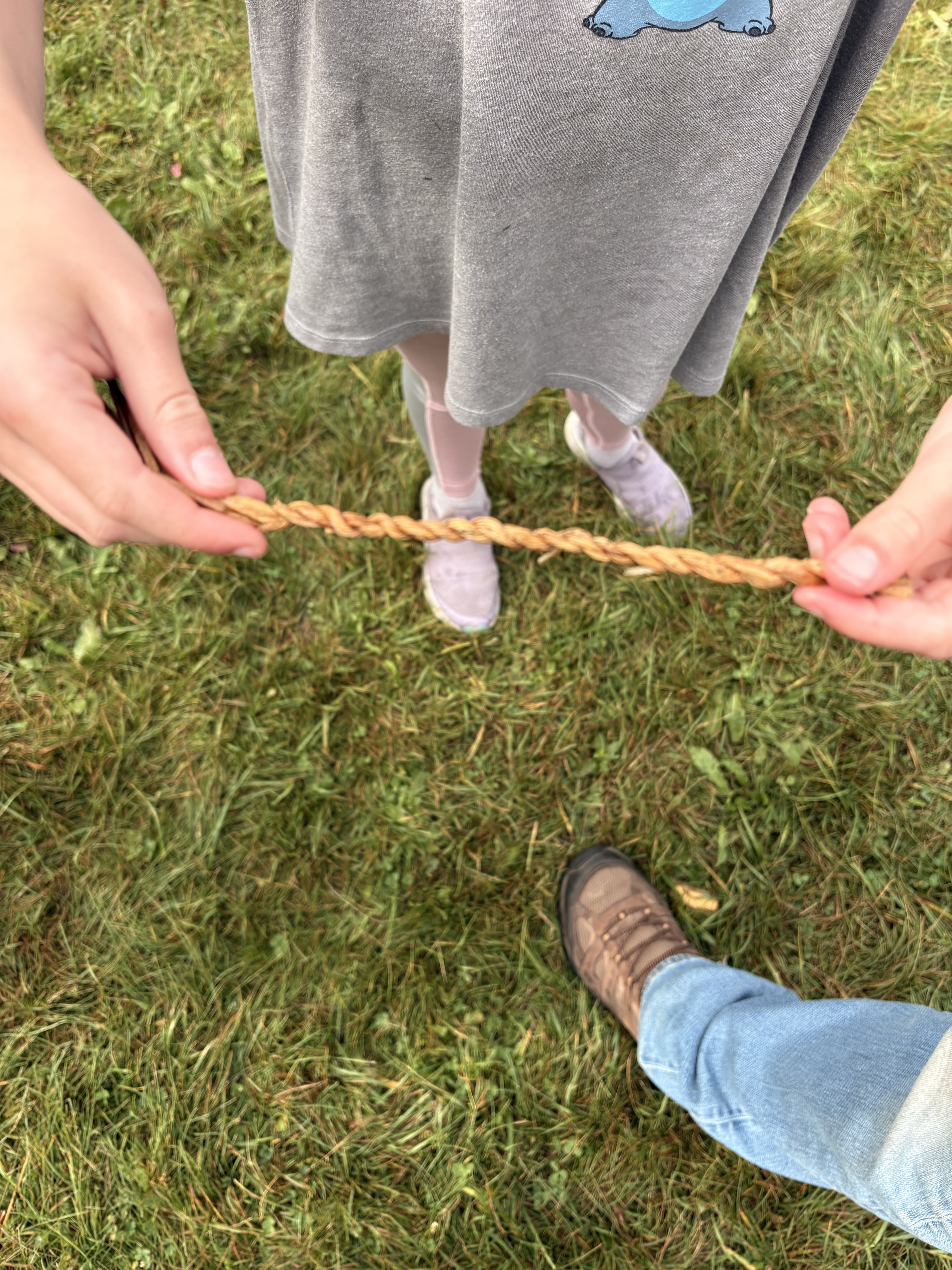
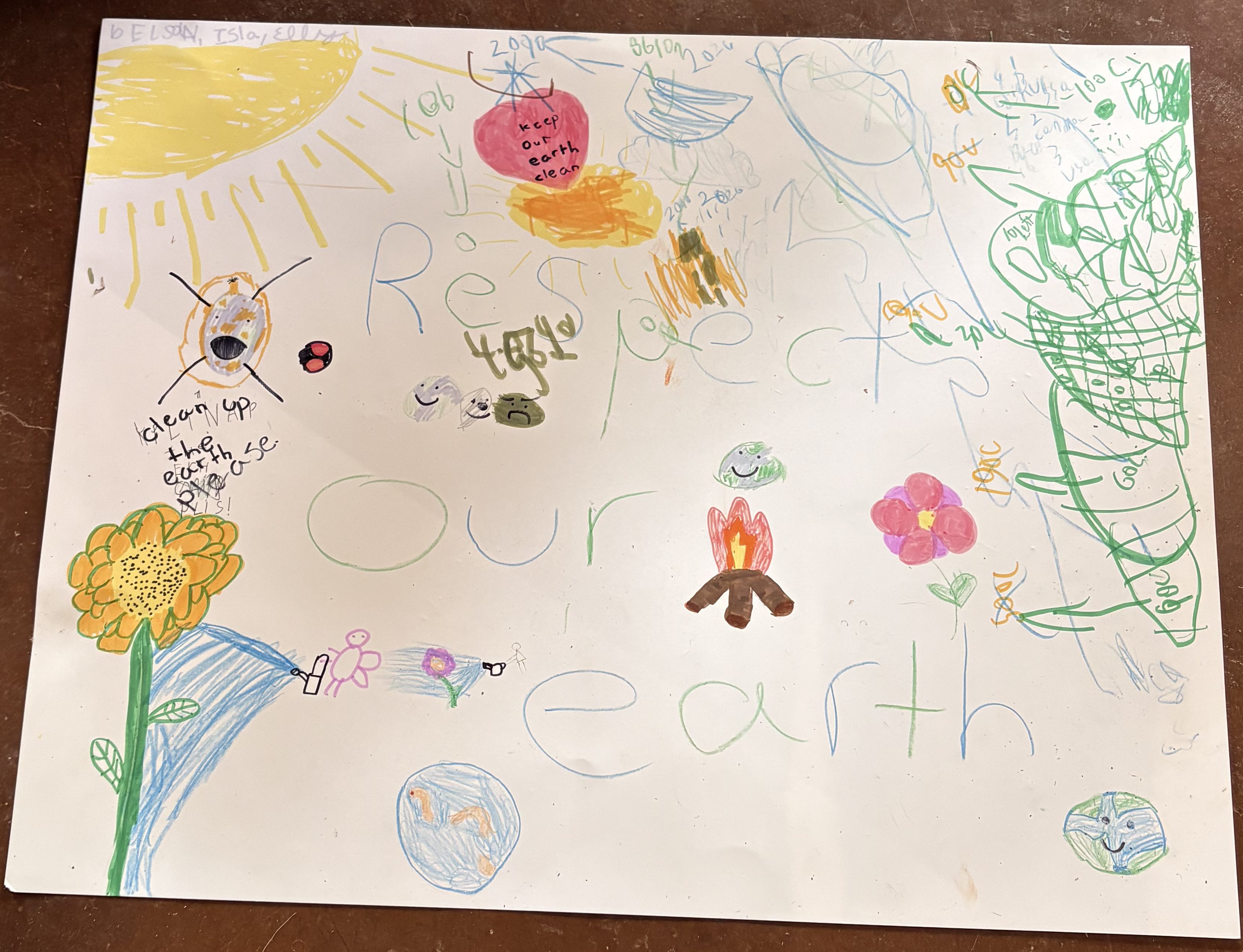
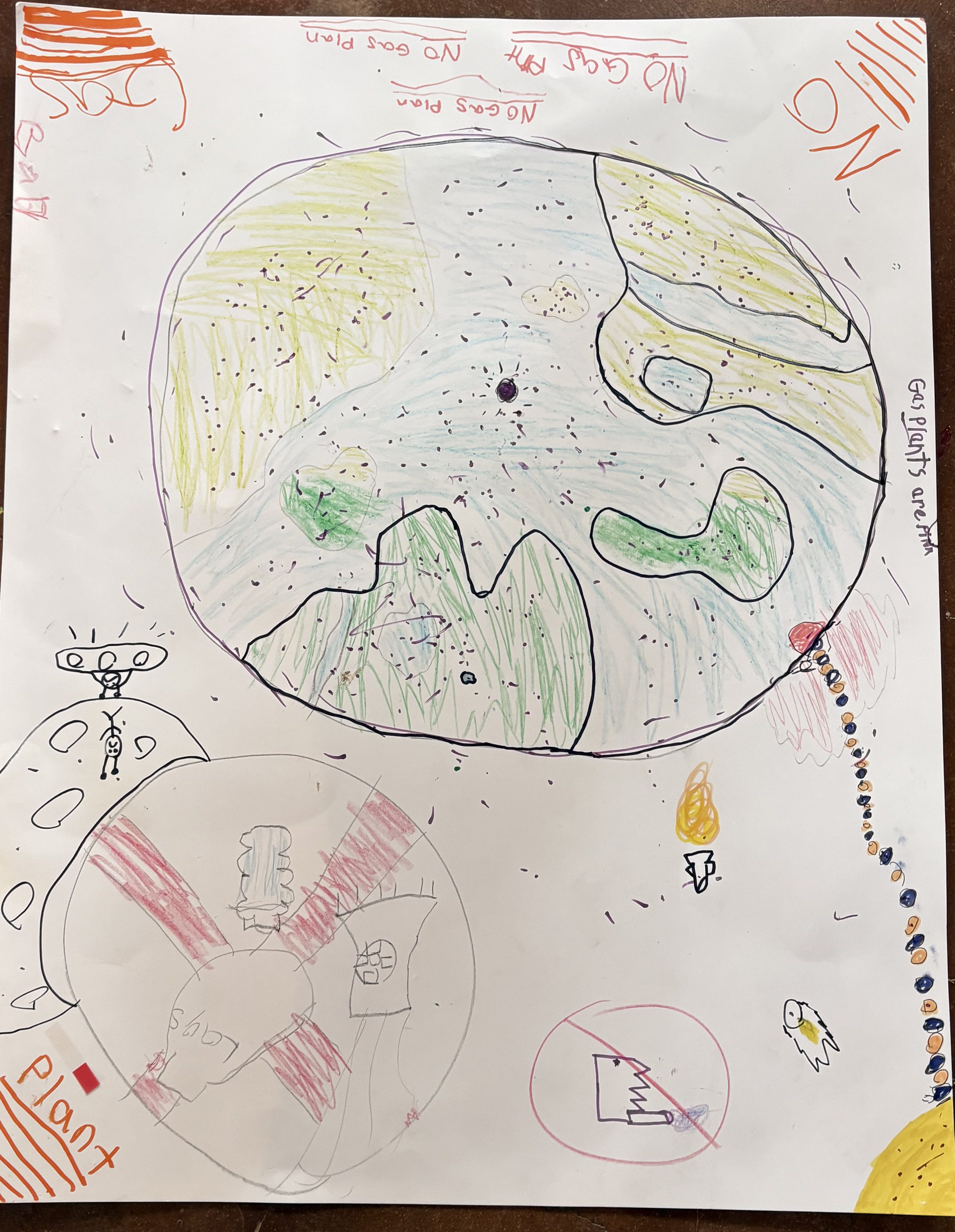
We concluded the session with the students working in groups to create posters about environmental issues they cared about. Many chose to focus on their frustration with the proposed development of a local gas plant in the Tantramar area. Watching the students transform what they had learned into creative expressions of their own perspectives was one of the most meaningful aspects of the experience.
The activity gave them an opportunity to articulate their concerns, engage with a complex issue, and recognize that their voices could be part of conversations about the future of their communities. It also demonstrated to me the power of creativity and art as forms of learning, communication, and civic expression.
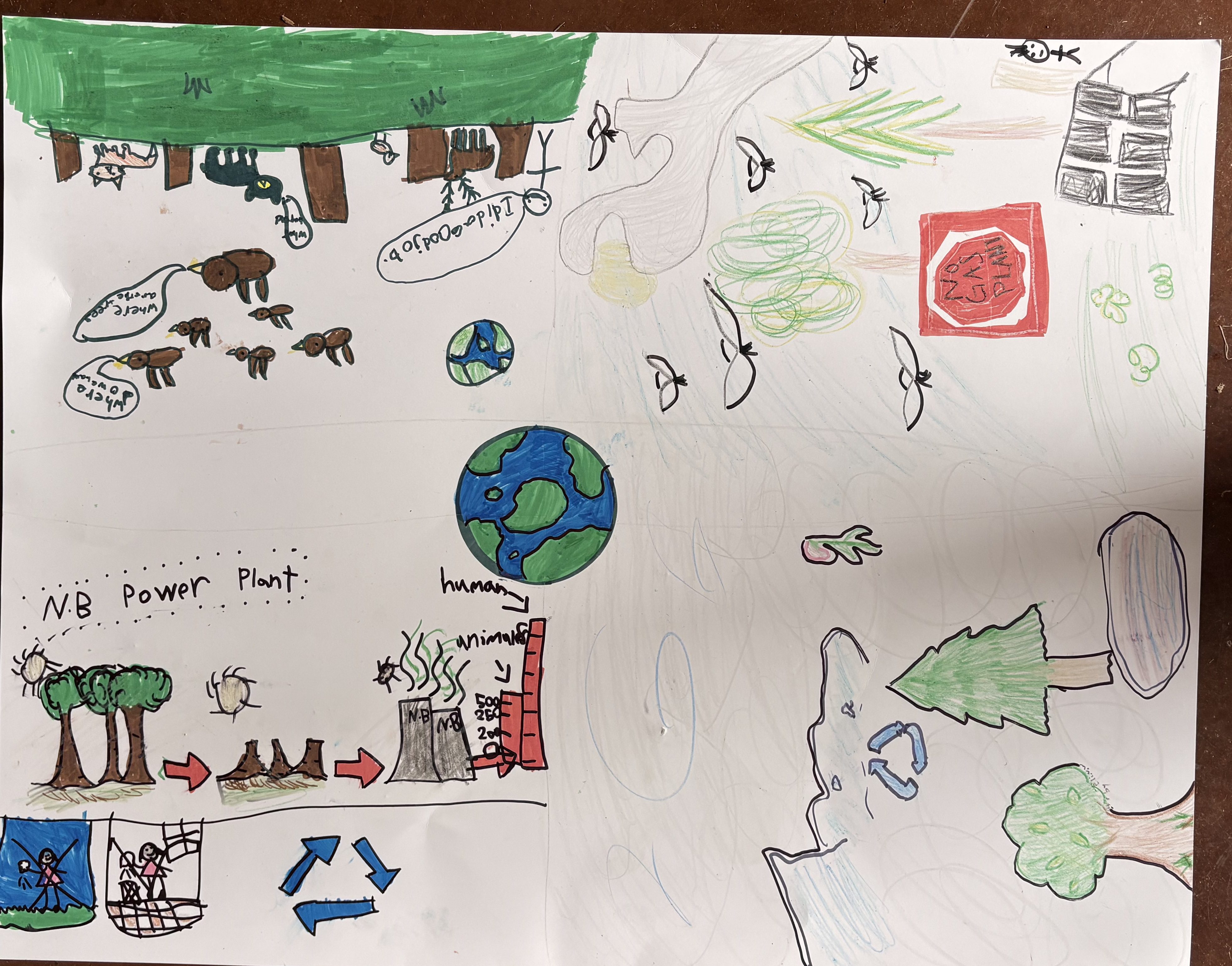
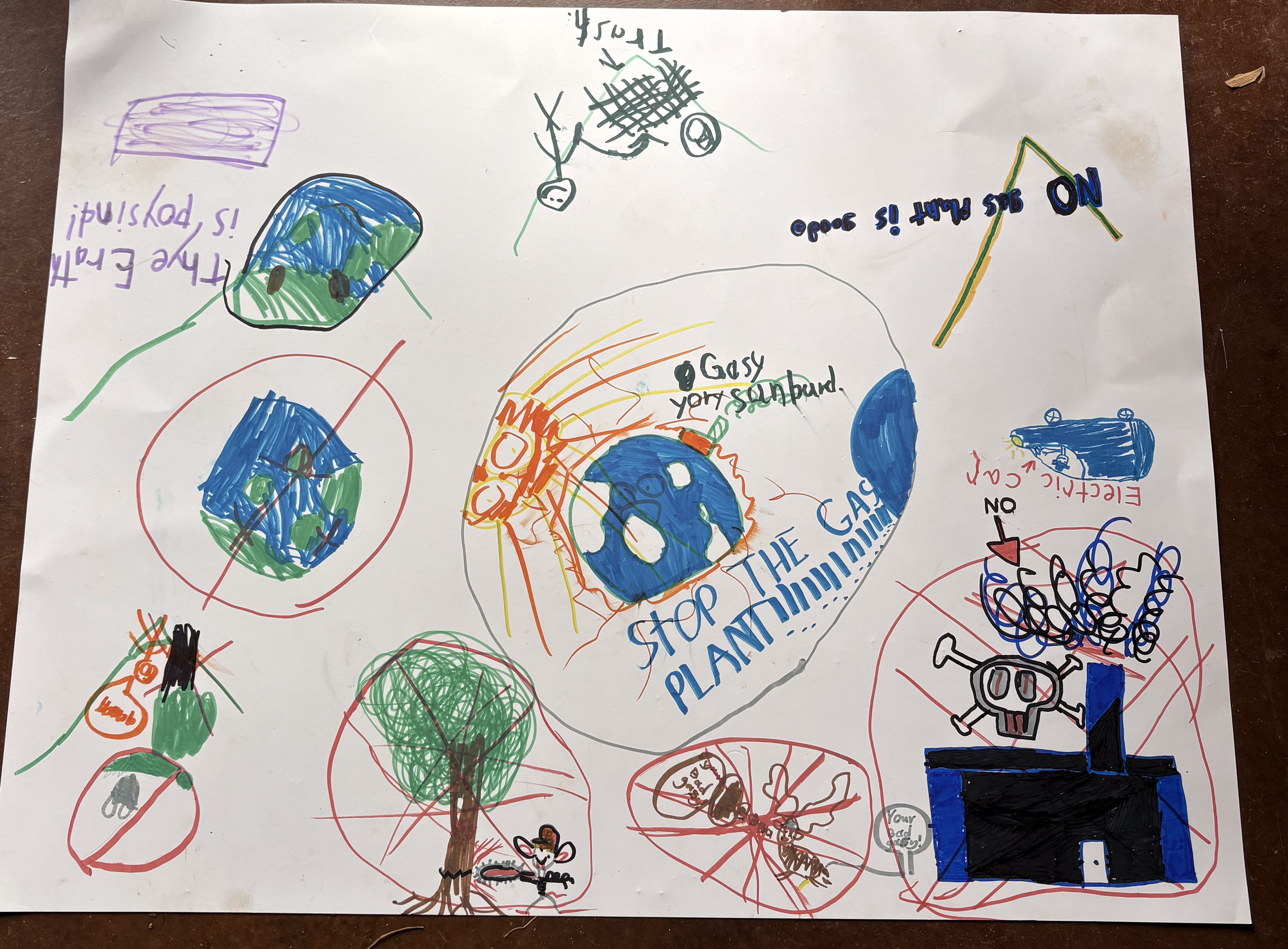
This experience was particularly meaningful because I had spent years researching, developing, and writing this course before finally having the opportunity to teach it myself. Bringing Think Like a Scientist into a new community allowed me to see the curriculum not simply as something to be delivered, but as something that could evolve through the people and environments in which it was taught. Teaching in the outdoors also challenged the traditional distinction between teacher and student. While I was there to facilitate learning, I found myself learning continuously from the students. Teaching became a reciprocal process.
Art inspired by project:
To celebrate the work of the group, we discussed the workshop and activities with geoscientists and artist Dr Lucia Perez-Diaz who produced this brand new art piece inspired by the project:
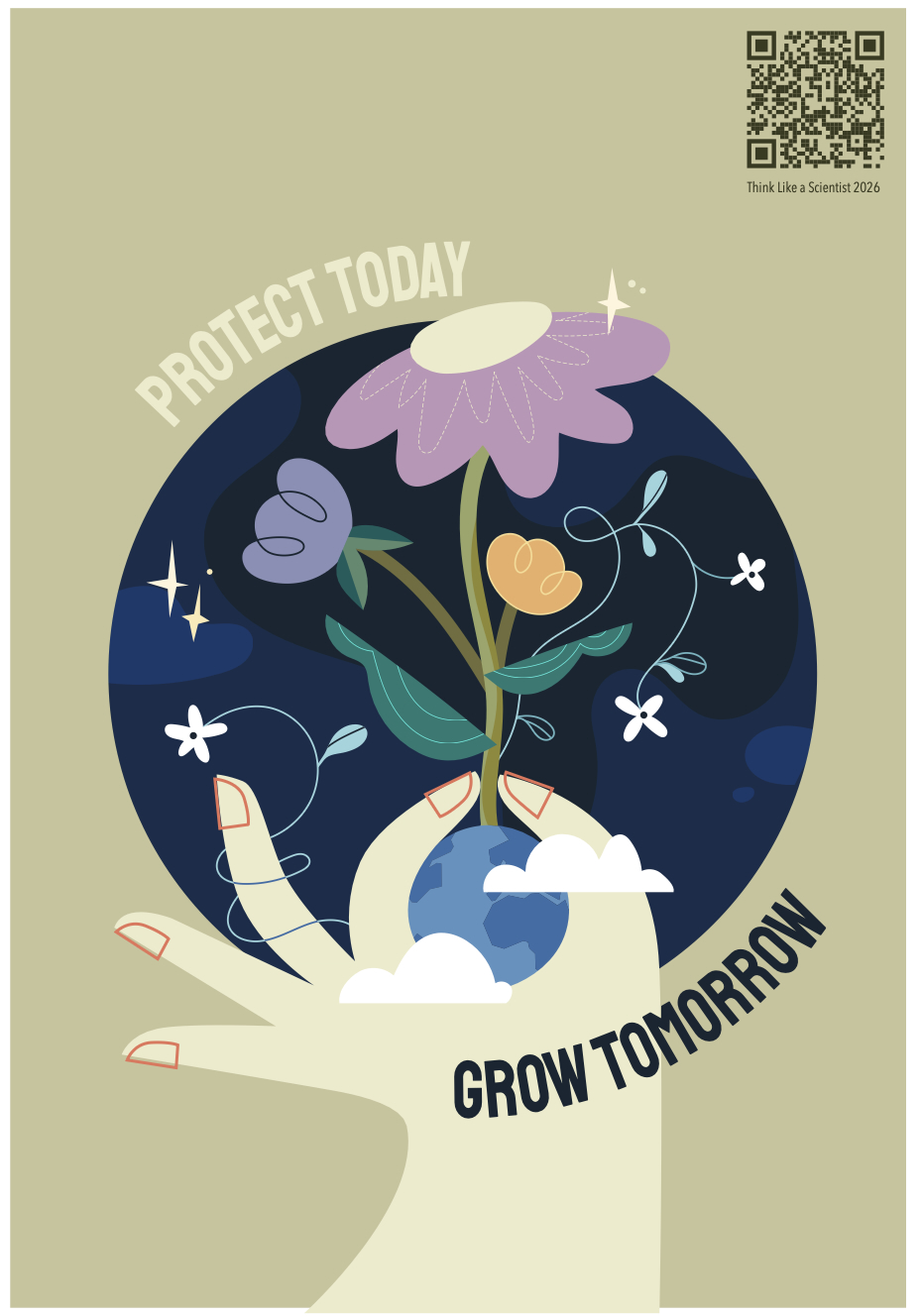
Check out the other work of Dr Lucia Perez-Diaz here: https://www.luciaperezdiaz.com. For more information on our art as a teaching aid work, please head over here:
Teaching plan for this project:
| Timing | Activity |
|---|---|
Other communities:
Overview of all the projects related to How do different communities experience climate change?: https://philheron.com/think-like-a-scientist-2026/
Links to other specific outreach locations:
4 year olds, Germany:
10 year olds, Switzerland:
9-12 year olds, Canada: https://philheron.com/think-like-a-scientist-nb-2026/
Teenagers, Italy:
Refugee camp, Jordan:
Fishermen, Barbados:
Prison, Finland:
Prison, Canada:
Prison, Australia:
60-90 year olds, England:
Links to art as a teaching aid and collaboration piece:
To come…

